
Enabling safe adoption of intraoperative PET-CT with proven radiation protection solutions
09/09/2026
At a glance
> Southern Scientific has supplied a pioneering new clinical trial carried out by University Hospitals Coventry and Warwickshire NHS Trust which has deployed the UK's first mobile specimen PET-CT imager for surgical oncology.
> To support safe implementation, personal electronic dosimeters, contamination monitors and radiation survey instruments were used to measure occupational exposure, contamination levels and environmental dose rates during the trial.
> Over a 10-month period, researchers evaluated 56 surgical procedures and found radiation doses remained well controlled across all staff groups, with contamination events being rare, minor and effectively managed.
Supporting a pioneering program for surgical oncology
As hospitals adopt new imaging techniques to improve surgical outcomes, effective radiation protection is vitally important. A recently published study from University Hospitals Coventry and Warwickshire (UHCW) NHS Trust examined the radiation safety requirements associated with the UK's first deployment of a mobile specimen PET-CT imager for surgical oncology. The study demonstrated that intraoperative PET-CT can be introduced safely when supported by appropriate radiation protection measures and specialist equipment.
Southern Scientific was pleased to support the pioneering programme with radiation monitoring instruments, personal dosimetry and shielding solutions that formed part of the overall safety strategy implemented throughout the clinical trial.
What is intraoperative PET-CT?
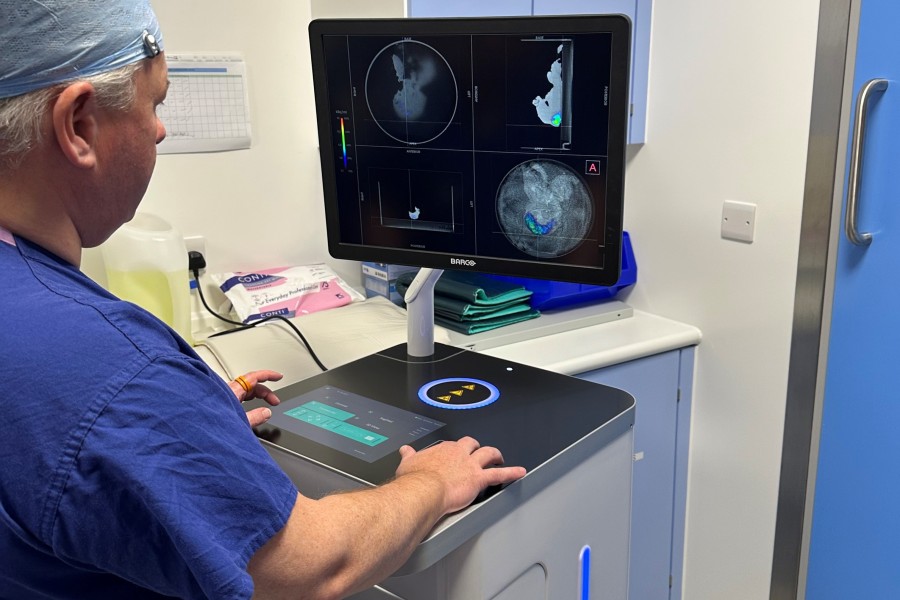
Intraoperative PET-CT allows surgeons to assess tumour margins immediately after tissue resection directly in theatre, providing valuable information during surgery and supporting more precise tumour removal. While this offers significant clinical benefits, it also introduces new considerations around radiation exposure, contamination control and radioactive waste management within surgery.
To address these challenges, UHCW conducted a comprehensive radiation protection programme that included risk assessments, staff training, practical working arrangements, environmental monitoring and the introduction of specialist shielding equipment.
How was radiation monitored?
UHCW partnered with Southern Scientific to supply a range of radiation protection solutions that supported safe implementation of the new procedure. These included Tracerco PED personal electronic dosimeters, Radhound contamination monitoring equipment and radiation survey instruments used to measure occupational exposure, contamination levels and environmental dose rates throughout the trial.
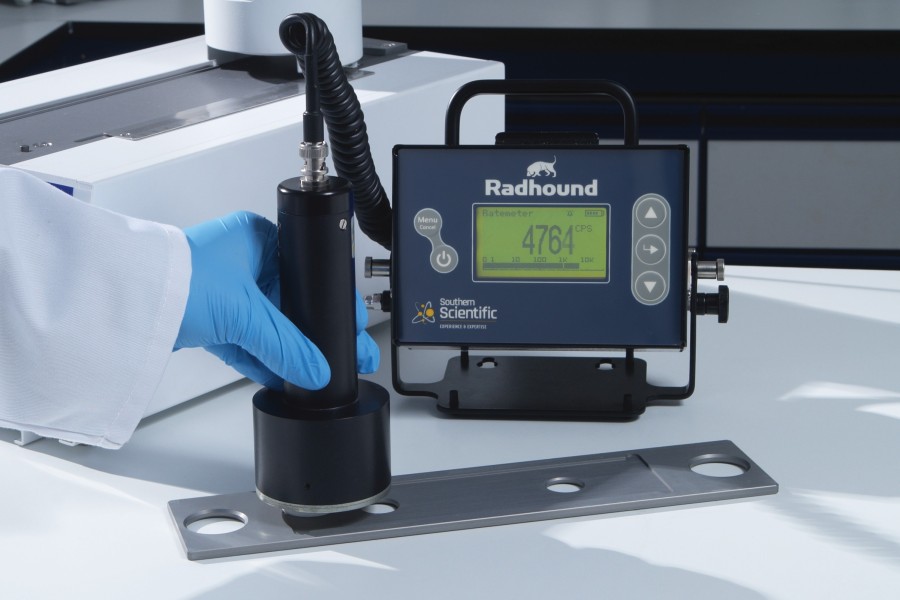
Southern Scientific's Radhound contamination monitor is one of the instruments used by UHCW in the study.
How effective was the radiation monitoring?
Over a 10-month period, researchers evaluated 56 surgical procedures, including 18 head and neck cases and 38 urology procedures. Radiation doses remained well controlled across all staff groups, with the highest exposures recorded among personnel working closest to patients. Average whole-body doses for head and neck procedures were measured at 39 µSv for surgeons and 12 µSv for scrub nurses, while corresponding doses in urology procedures were 7.2 µSv and 2.5 µSv respectively. Staff working outside the theatre environment, including recovery and histopathology teams, received negligible or below-threshold doses.
Contamination events were rare, minor and effectively managed through established monitoring and decontamination procedures. Notably, no skin contamination incidents were recorded during the study, demonstrating the effectiveness of the monitoring and protective measures implemented.
What was the conclusion?
The study concluded that radiation doses to staff can be effectively minimized through a combination of clear procedures, comprehensive training, appropriate shielding and reliable monitoring equipment. Researchers highlighted the importance of planning radiation protection from the outset to ensure staff safety, regulatory compliance and confidence in the use of emerging technologies.
Find out more
You can access the full paper published by UHCW on EJNMMI Physics by clicking the button below.